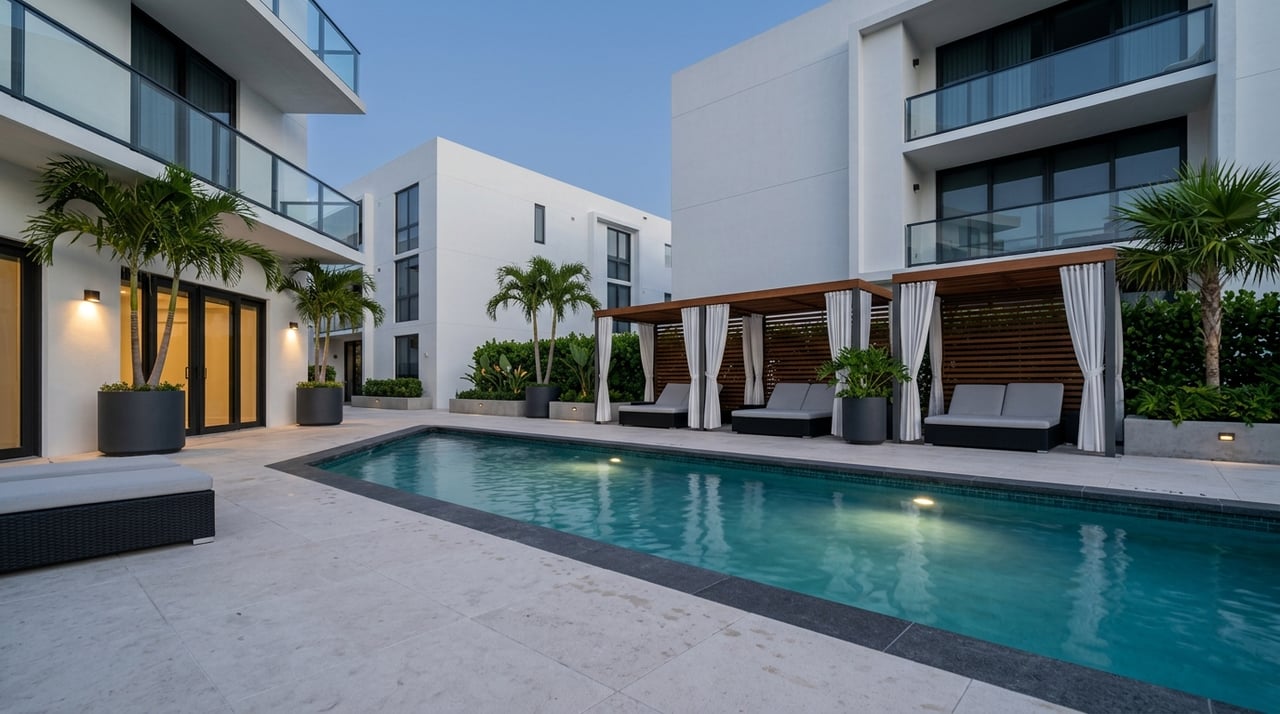
Dreaming about warm winter mornings, ocean air, and a lock-and-leave condo lifestyle? Seasonal living in Sunny Isles Beach can be a great fit if you want a beach-first home base without committing to year-round occupancy. The key is knowing how the city’s climate, condo rules, costs, and storm planning shape everyday life. If you are considering a seasonal condo here, this guide will help you think through the practical details with confidence. Let’s dive in.
Why Sunny Isles Beach Appeals to Seasonal Owners
Sunny Isles Beach sits on a barrier island between the Atlantic Ocean and the Atlantic Intracoastal Waterway. The city says it was developed primarily for residential purposes, which helps explain why condo living is such a central part of the local experience.
For many seasonal buyers, the weather is the first draw. NOAA climate normals for nearby Miami Beach show mild winter conditions, with average highs of 73.6°F in January, 74.8°F in February, and 76.1°F in December. That kind of winter weather is a big reason snowbird-style ownership remains popular in this part of South Florida.
Seasonal living here also tends to feel easy once you are in place. You can spend part of the year close to the beach, rely on building amenities, and keep your daily routine fairly simple. For buyers who want sunshine and convenience, that combination is hard to ignore.
What Daily Life Looks Like
A seasonal condo is not just about the unit itself. It is also about how easily you can enjoy your time when you are in town. Sunny Isles Beach offers several city-supported features that make shorter or part-time stays more comfortable.
Beach Access Is Built In
The city maintains multiple public beach access points with handicap access, parking, showers, restrooms, and bike racks. Lifeguards are also on duty during daylight hours at listed access areas, which adds a practical layer of support for regular beach days.
The Newport Fishing Pier is another well-known access point. The city also provides current beach conditions and a live beach cam, which can be helpful if you like to plan your day around the weather and surf.
Getting Around Is Straightforward
Sunny Isles Beach provides a free community shuttle seven days a week with three lines and a real-time tracker app. That can be especially useful if you want to leave the car parked and move around the city more casually during your stay.
The Welcome Center also helps visitors with information on dining, shopping, and activities. For seasonal residents who are not in town year-round, that extra orientation can make each return feel more seamless.
Parks and Public Wi-Fi Add Convenience
The city manages 11 parks and community spaces. It also offers free Wi-Fi in many parks and along nearly the entire beach, which supports a flexible stay-a-while lifestyle whether you are checking emails, reading outdoors, or coordinating plans with family.
Gateway Center is another amenity seasonal residents often notice. It includes a ballroom, fitness room, classrooms, and free Wi-Fi. The city says a free Resident ID Card can provide access to Gateway Center amenities, free fishing on Newport Pier, and resident pricing on city programs and events.
Resident Perks Come With Requirements
If resident benefits matter to you, it is important to understand the rules before you buy. Sunny Isles Beach says renters must show a one-year lease to qualify for the Resident ID Card.
Parking is also residency-specific. The city says only qualified residents with a valid city-issued Resident ID Card and occupancy of a residential property may apply for a residential parking permit. If parking access is important in your building or daily routine, this is something to confirm early.
These details may seem small, but they can affect how convenient your seasonal setup feels. A condo that looks perfect on paper may work differently depending on how long you stay and how the city defines resident eligibility.
Condo Costs and Market Position
Sunny Isles Beach is generally not an entry-level condo market. Current market trackers place it in the upper-mid to luxury range, which is consistent with its oceanfront setting, high-rise inventory, and second-home appeal.
Realtor.com describes Sunny Isles Beach as a buyer’s market with about 1,300 homes for sale and a median listing price of $764,500. MIAMI REALTORS® reported a median condominium and townhome sales price of $741,250 in its 2025 vacation-home report. Since those figures measure different things, they are best used as broad market context rather than a precise pricing rule.
For seasonal buyers, the bigger takeaway is this: you should expect condo ownership here to involve more than the purchase price. Building fees, reserves, possible assessments, insurance considerations, and rental restrictions all deserve close review.
Building Due Diligence Matters More Here
In any condo market, paperwork matters. In Sunny Isles Beach, it is especially important to dig into the details before closing, particularly in older towers.
Ask About Inspections and Recertification
The city says it has initiated proactive special inspections for commercial and multi-family buildings built before 1982. That means buyers should ask direct questions about recertification status, reserve funding, and any pending assessments.
This is not just a technical issue. It can affect your monthly costs, future special assessments, and your comfort level as an owner who may be away for part of the year.
Review Budgets and Reserve Funding
The city’s condominium resources page points owners and buyers to DBPR condo support. It notes that DBPR complaints can involve operating budgets, reserve schedules, financial records, and structural-integrity reserve-study procedures.
That is a strong reminder to review the association’s financial picture carefully. If you are buying for seasonal use, you want a building that supports predictable ownership rather than surprise costs.
Confirm Use and Leasing Restrictions
Florida condominium law requires disclosure of covenants and restrictions that affect use, including leasing restrictions. Association bylaws also govern how the community operates.
For seasonal owners, this can shape everything from guest policies to minimum rental terms. If you plan to use the condo personally and rent it at other times, the governing documents need to be reviewed with real care.
Seasonal Renting Has Local Rules
Some buyers want their condo to serve two purposes: a personal seasonal retreat and an income-producing property when they are away. That can work in some cases, but Sunny Isles Beach has specific local rules.
The city says a condominium or apartment rented for six months or less is considered a short-term vacation rental. Responsible parties must obtain a city license, a Local Business Tax Receipt, and the required state and county registrations before operating.
That means rental flexibility should never be assumed. Even if a building allows leasing, you still need to understand city requirements, registration steps, and the practical burden of compliance.
For absentee owners, this is where full-service support can be especially helpful. If your goal is turnkey ownership, it helps to have guidance that connects the purchase decision to realistic leasing plans and property management needs.
Storm Season Is Part of the Lifestyle
Sunny Isles Beach offers beautiful winter weather, but seasonal ownership in coastal Florida also means planning for hurricane season. The city says hurricane season runs from June 1 through November 30.
Sunny Isles Beach is in Storm Surge Planning Zone B and a Zone B floodplain. The city also notes that standard homeowners insurance does not cover flooding and that flood insurance can have a 30-day waiting period.
For seasonal owners, this matters even if you are usually in residence during winter. You should understand your building’s storm procedures, your own insurance responsibilities, and what preparations are expected if a storm threatens while you are away.
Who Seasonal Condo Living Fits Best
Sunny Isles Beach can be an excellent match if you want a condo-centered lifestyle with easy beach access, managed amenities, and a warm-weather base during colder months. It may also appeal to international and out-of-state buyers who want a more turnkey coastal routine.
At the same time, this lifestyle works best when you are comfortable with association rules, building-level decision-making, storm preparation, and careful financial review. In other words, the right condo can feel effortless, but choosing that condo takes thoughtful due diligence.
Smart Questions to Ask Before You Buy
If you are exploring seasonal condos in Sunny Isles Beach, bring these questions into your search:
- What are the association’s current reserves and budget trends?
- Are there any pending or likely special assessments?
- Does the building have leasing restrictions or minimum rental periods?
- What is the building’s recertification or inspection status?
- What are the storm preparation procedures for owners?
- Which resident benefits require a city Resident ID Card?
- If you plan to rent, what city licenses and registrations are required?
- How will you manage the property while you are away?
The more clearly you answer these questions, the easier it becomes to separate a beautiful condo from a truly practical seasonal home.
If you are weighing your options in Sunny Isles Beach, the right guidance can help you look beyond the view and evaluate the full ownership picture. For buyers who want a polished, concierge-level experience, including bilingual support and help with second-home or investment goals, Linda Faille-Roy can help you navigate the search with clarity and care.
FAQs
What makes Sunny Isles Beach attractive for seasonal condo living?
- Sunny Isles Beach offers mild winter weather, beach access, a condo-focused residential setting, free community shuttle service, public amenities, and a convenient lock-and-leave lifestyle for part-time owners.
What winter weather can seasonal residents expect in Sunny Isles Beach?
- NOAA normals for nearby Miami Beach show average highs of 73.6°F in January, 74.8°F in February, and 76.1°F in December, which supports the area’s appeal for winter stays.
What should buyers review before purchasing an older Sunny Isles Beach condo?
- Buyers should ask about recertification status, reserve funding, special inspections, financial records, and any pending assessments, especially in buildings built before 1982.
What are the rental rules for Sunny Isles Beach seasonal condos?
- The city says rentals of six months or less are considered short-term vacation rentals and require a city license, a Local Business Tax Receipt, and required state and county registrations.
Do Sunny Isles Beach condo owners need flood insurance?
- The city notes that standard homeowners insurance does not cover flooding, and flood insurance may have a 30-day waiting period, so buyers should review insurance needs carefully.
Can seasonal renters get Sunny Isles Beach resident benefits?
- The city says renters must show a one-year lease to qualify for the Resident ID Card, which affects access to certain resident amenities and programs.
Is Sunny Isles Beach a good fit for snowbird buyers?
- It can be a strong fit for snowbird buyers who want warm winter weather, beach access, and condo amenities, and who are also comfortable with HOA rules, storm planning, and building-specific restrictions.