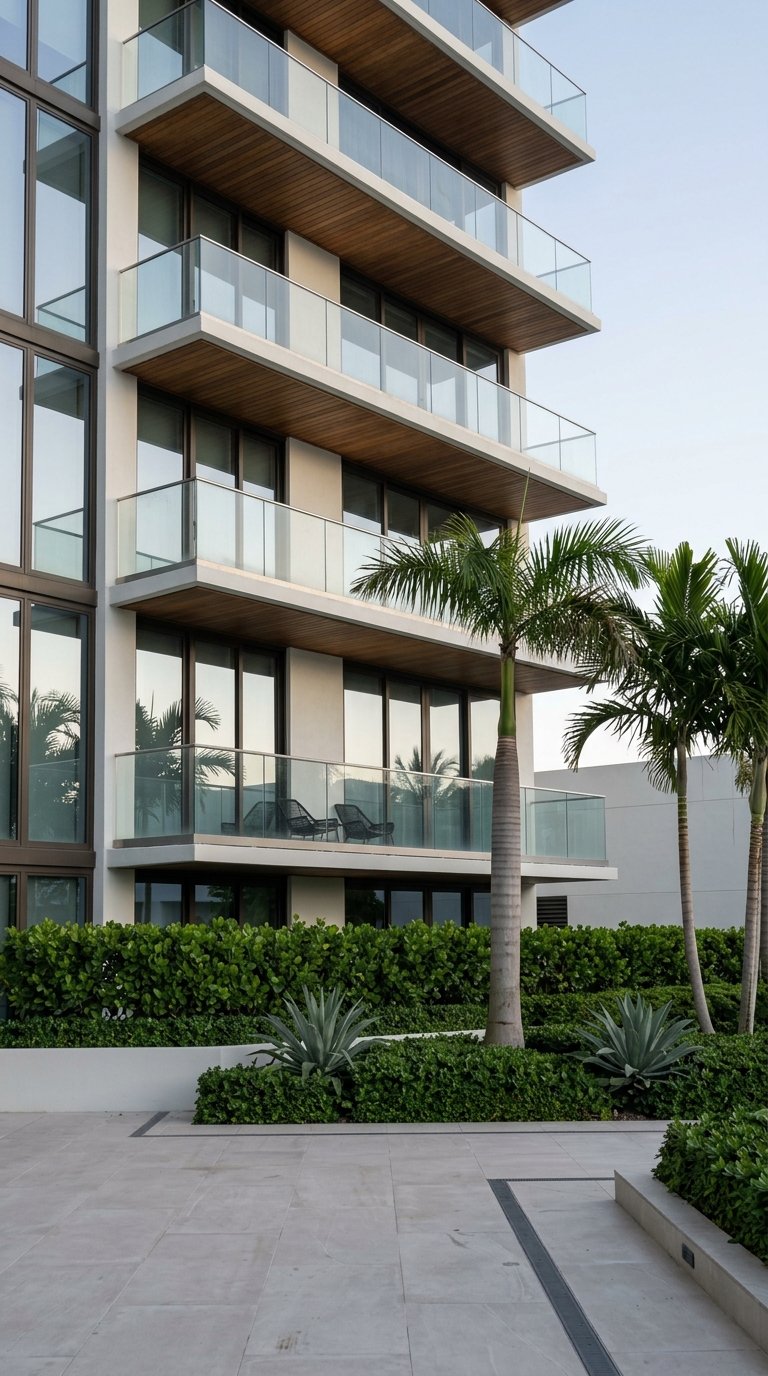
If you are choosing between an oceanfront condo and an Intracoastal condo in Hallandale Beach, the right answer usually comes down to how you want to live day to day. Both offer waterfront appeal, but they deliver very different routines, views, and ownership considerations. This guide will help you compare the two so you can focus on the setting, access, and building details that fit your goals best. Let’s dive in.
Why Location Changes the Experience
Hallandale Beach has a barrier-island layout, which is a big reason this choice matters so much. The Atlantic Ocean sits to the east, while the Intracoastal Waterway runs inland, shaping distinct waterfront districts like the A1A beach corridor, Three Islands, and Golden Isles.
That layout affects more than scenery. The city identifies the Hallandale Beach Boulevard bridge as the primary evacuation route from the barrier island, so bridge access can be an everyday convenience factor as well as a practical storm-season consideration.
Oceanfront Condo Living
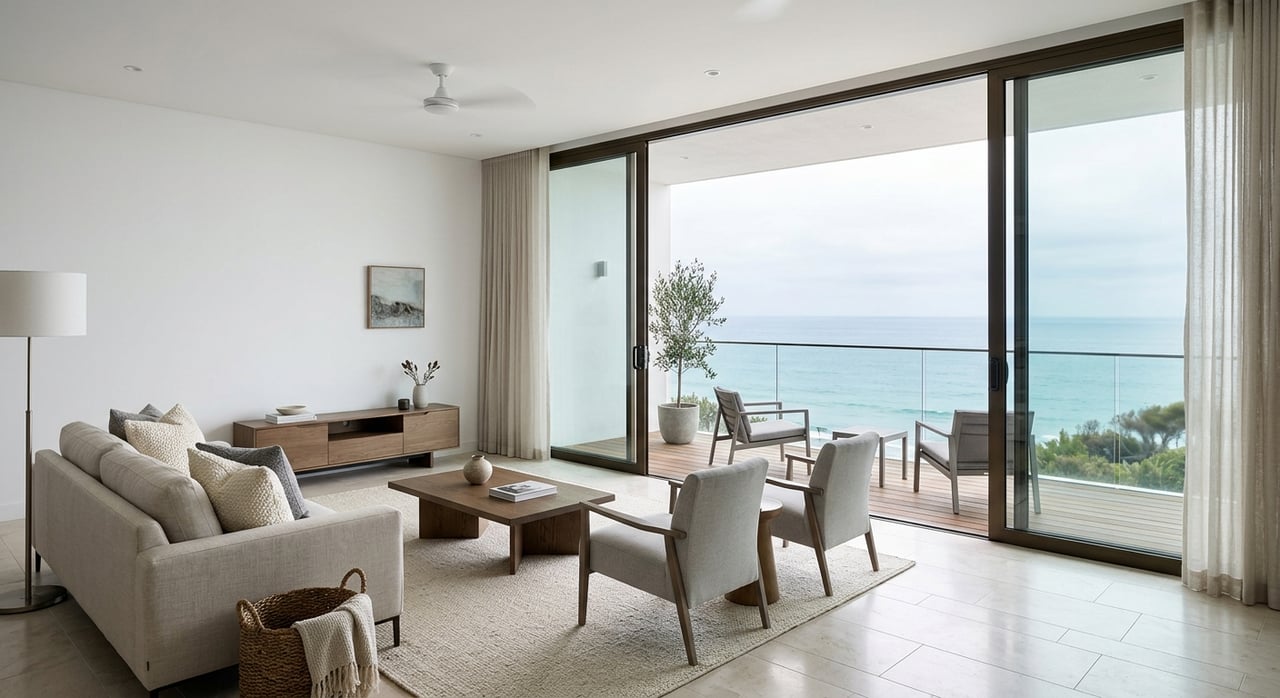
Oceanfront condos are usually the best match if you want the classic South Florida beach lifestyle. You are closer to the sand, sunrise views, surf, and the kind of daily routine that starts with stepping outside and heading straight to the beach.
Hallandale Beach has four public beach accesses and two oceanfront public parks, so beach access is available even if you do not live directly on the ocean. Still, oceanfront owners usually enjoy the simplest and most direct path to the beach, which can be a major lifestyle advantage.
What Oceanfront Buyers Often Love
Many oceanfront buildings are designed around a resort-style experience. That can include expansive pool decks, beach service, outdoor lounging areas, and amenities that make the property feel like a private retreat.
Beach Club Hallandale is one example of this style. The development spans nine beachfront acres with three towers, multiple pools, hot tubs, and outdoor dining areas, showing the larger-scale amenity package many oceanfront buyers expect.
Boutique oceanfront living also exists in Hallandale Beach. At 2000 Ocean, there are 64 residences, floor-to-ceiling glass, oceanfront terraces, private beach service, cabanas, chaise lounges, umbrellas, and an elevated ocean-side pool.
Oceanfront Views Are Not Always Equal
One common misconception is that every oceanfront condo has the same view. In reality, the building position and unit line matter a lot.
Even in an oceanfront complex, some residences may face the city or Intracoastal rather than the ocean directly. That is why it is important to confirm whether a unit offers direct ocean views, partial ocean views, or a different exposure altogether.
Intracoastal Condo Living
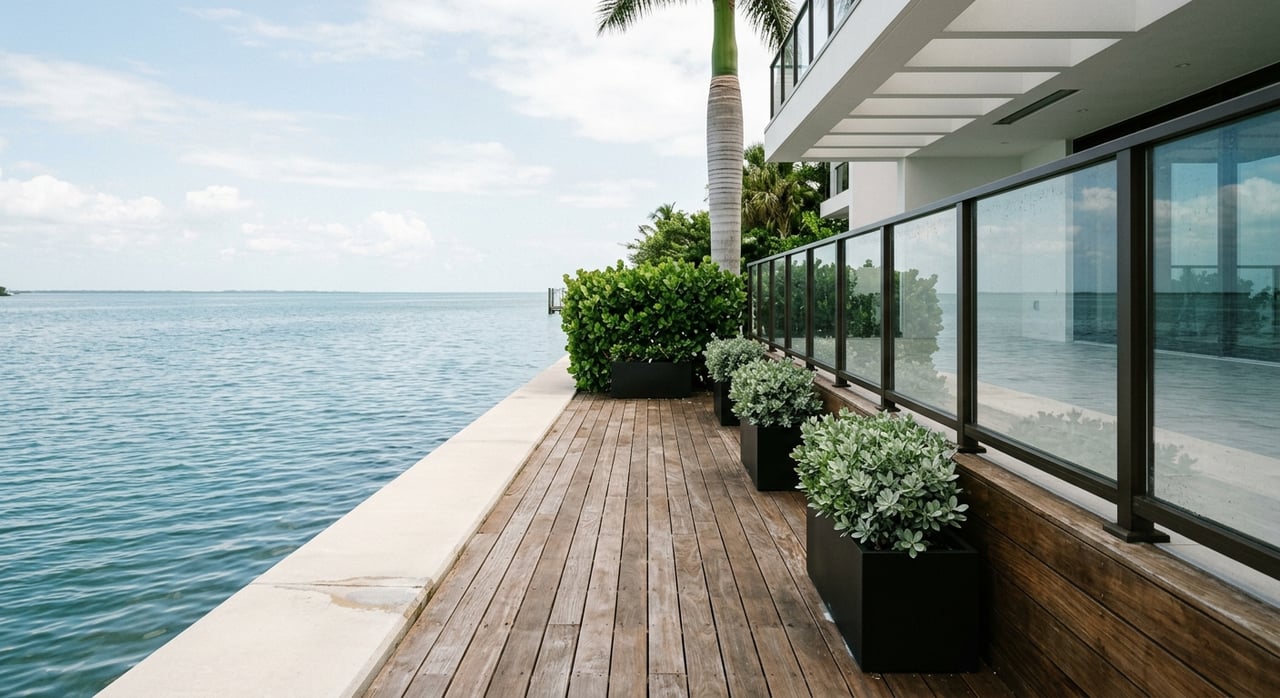
Intracoastal condos often appeal to buyers who care more about boating, marina access, and a calmer waterfront setting. Instead of surf and open horizon views, you are more likely to enjoy waterway scenes, canal activity, skyline lights, and sunsets.
The daily rhythm can feel different from the beach side. Intracoastal ownership is often more focused on docking, boating convenience, and a quieter residential feel than on direct sand access.
What Intracoastal Buyers Often Love
For many buyers, the biggest draw is boating convenience. Hallandale Beach City Marina on Three Islands Waterway offers annual and transient dockage, pump-out facilities, water, electric, Wi-Fi, gated access, and outdoor showers, making it a meaningful part of the local boating lifestyle.
Larger Intracoastal communities can also feel almost self-contained. The Olympus sits on the Intracoastal Waterway and includes three residential buildings, 1,090 units, a 26-slip marina, underground parking for 1,400 vehicles, two pools, four tennis courts, and a resident shuttle bus.
If you prefer something smaller, Golden Isles Towers reflects a more boutique waterfront option. It has two buildings with 20 residences each, plus a private marina with 17 boat slips and direct access to the Intracoastal Waterway.
Intracoastal Access Has Limits Too
The Intracoastal side offers a different kind of waterfront experience, but it is not as publicly accessible as the beach. The city notes that much of the Intracoastal shoreline is privately owned, with marinas and dock facilities tied to private associations, condo complexes, and homeowners.
That means the setting may feel more private, but it also means your access to the waterfront experience often depends heavily on the building itself. If boating is a priority, details like slip availability and marina rules matter just as much as the view.
Oceanfront vs Intracoastal at a Glance
Here is a simple way to compare the two lifestyles in Hallandale Beach.
| Feature | Oceanfront Condos | Intracoastal Condos |
|---|---|---|
| Main lifestyle draw | Direct beach access | Boating and marina access |
| Typical views | Atlantic, sunrise, surf | Waterway, canals, skyline, sunset |
| Common atmosphere | Resort-style, beach-centered | More sheltered, boat-oriented |
| Public access nearby | Easier beach access through city parks and access points | More limited public shoreline access |
| Best fit for | Buyers who want sand-first living | Buyers who want dockage and calmer water |
Building Condition Matters on Both Sides
In Hallandale Beach, this decision is not only about lifestyle. It is also about the building itself, especially in older or larger condo communities.
Florida law requires milestone inspections for condo and co-op buildings that are three stories or more, generally at 30 years and every 10 years after that. In areas near salt water, local enforcement can require those inspections at 25 years instead.
That matters in a coastal market where exposure, age, and long-term maintenance can shape ownership costs and future planning. Oceanfront buildings may face more direct salt-water exposure, but both oceanfront and Intracoastal buyers should review the building’s condition carefully.
Review the Association Documents Carefully
Florida condo law requires sellers to provide key association documents to buyers. These can include financial information, a milestone-summary report if applicable, and the most recent structural integrity reserve study, or a statement that one has not been completed.
Those documents are not just paperwork. They help you understand the association’s reserves, structural planning, and whether there may be pending costs that affect your budget after closing.
Questions to Ask Before You Buy
When you tour Hallandale Beach condos, a few focused questions can help you compare one building and unit against another.
Ask About the View and Exposure
Not all water views are created equal. Ask whether the unit has direct ocean, partial ocean, or Intracoastal exposure, and whether the main living area captures the view or only one side of the residence does.
Ask About Parking and Access
Assigned parking can make a big difference in a busy coastal area. If you are considering a barrier-island location, think about bridge access and how that fits your daily routine as well.
Ask About Marina and Dockage Options
If you are shopping on the Intracoastal side, ask whether slip access is deeded, rentable, or subject to availability. You should also ask about any bridge-clearance or dockage restrictions that could affect boating use.
Ask About Financial Health
Request clarity on reserves, pending special assessments, rental limits, pet rules, and insurance trends within the association. These details can affect both your monthly costs and your long-term flexibility.
Which Hallandale Beach Condo Fits You Best?
If your ideal day starts with the beach, ocean breezes, and Atlantic views, oceanfront condos usually offer the strongest fit. They are especially appealing if direct sand access and resort-style amenities are high on your list.
If you picture boating, sunset views, and a more private waterfront setting, Intracoastal condos may suit you better. They can be especially attractive if dockage and waterway access matter more to you than stepping directly onto the sand.
In either case, Hallandale Beach offers strong lifestyle options on both sides of the water. The key is matching the building, location, and ownership structure to the way you actually want to live.
If you want help comparing oceanfront and Intracoastal condos in Hallandale Beach, Linda Faille-Roy offers bilingual, concierge-level guidance for second-home buyers, local buyers, and investors across South Florida.
FAQs
What is the main difference between oceanfront and Intracoastal condos in Hallandale Beach?
- Oceanfront condos focus on direct beach access, Atlantic views, and a resort-style beach lifestyle, while Intracoastal condos are often better suited for boating, marina access, sunset views, and a calmer waterfront setting.
Are Intracoastal condos in Hallandale Beach close to the beach?
- Yes. Hallandale Beach has four public beach accesses and two oceanfront public parks, so many Intracoastal owners can still reach the beach easily, even without direct oceanfront placement.
Do all oceanfront condos in Hallandale Beach have direct ocean views?
- No. Some units in oceanfront buildings face the city or Intracoastal, so you should confirm the specific unit’s exposure before you buy.
What should condo buyers review before buying in Hallandale Beach?
- You should review association financials, reserves, milestone inspection information if applicable, the most recent structural integrity reserve study if available, pending special assessments, parking, rental rules, pet rules, and insurance trends.
Are boating amenities more common in Hallandale Beach Intracoastal condos?
- Yes. Intracoastal condos are more closely tied to marinas, private dockage, and waterway access, which makes them a strong option for buyers who prioritize boating.
Why does bridge access matter for Hallandale Beach condo buyers?
- Because the city identifies the Hallandale Beach Boulevard bridge as the primary evacuation route from the barrier island, bridge access can affect convenience and planning for buyers living on the coastal side.