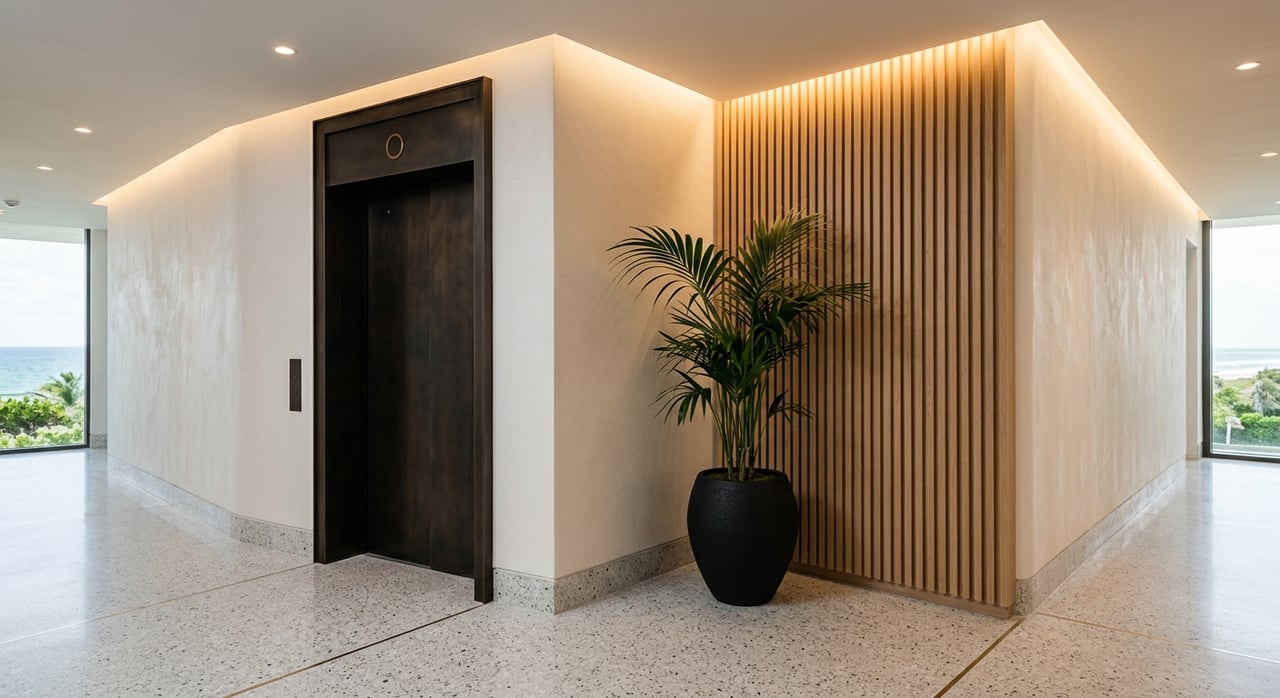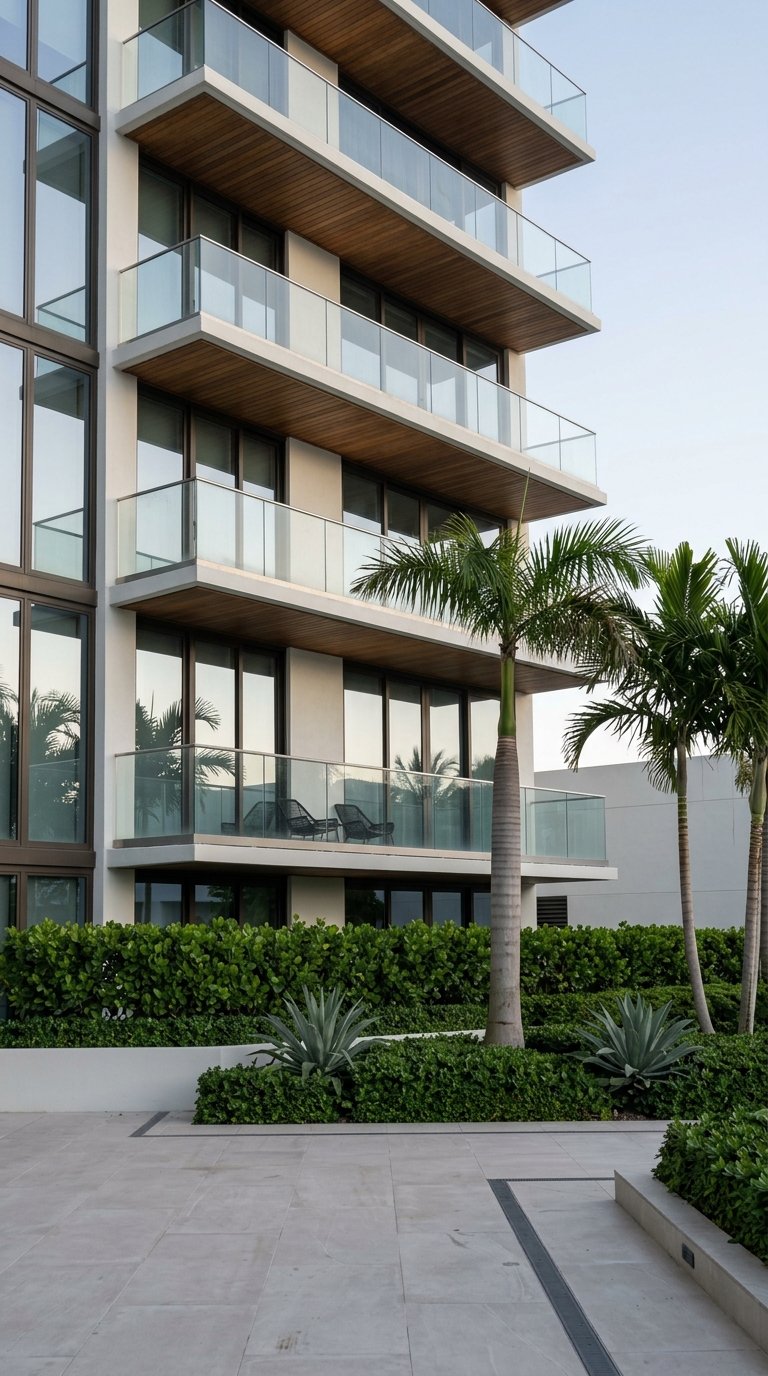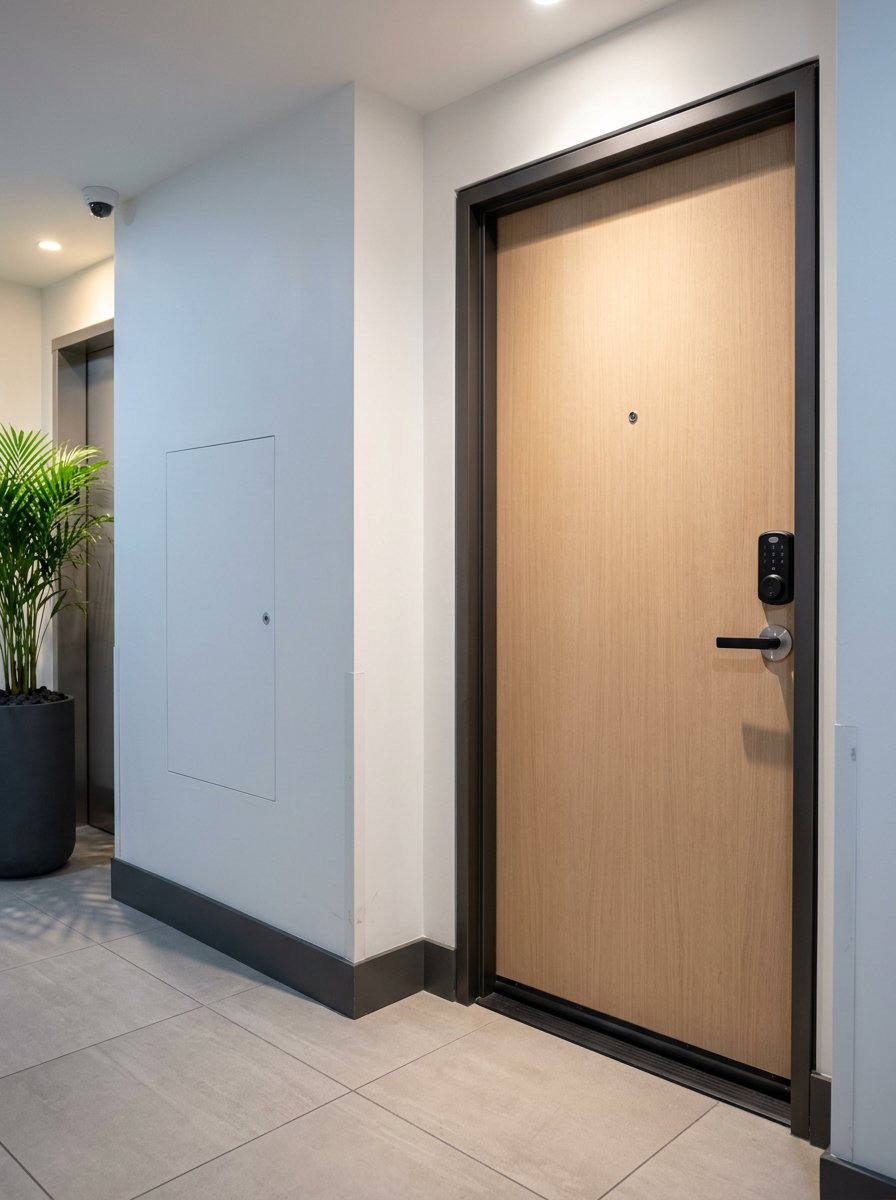
Do you want the freedom to enjoy your Hallandale Beach condo, then lock the door and fly home without worry? If you are a snowbird, international buyer, or a busy professional, the right setup can make that easy. In this guide, you will learn the key building features to look for, the Florida rules that matter, the insurance to line up, and the services that simplify ownership. Let’s dive in.
What lock-and-leave means here
In Hallandale Beach, most lock-and-leave owners choose mid-rise or high-rise condos with on-site staff and controlled access. Your goal is simple: arrive to a ready home, then secure it and leave for weeks or months with confidence. Buildings range from full-service beachfront towers to smaller associations with part-time staff, so verify services for each address rather than assuming. Resources from the Community Associations Institute can help you understand association operations and credentials for managers and vendors. You can start with the national overview at the Community Associations Institute.
Must-have building features
Look for features that reduce hands-on tasks when you are away:
- On-site management or concierge/security, ideally with 24/7 coverage or clear after-hours procedures.
- Controlled access like fob or card entry, guest registration, and a secured garage.
- CCTV and a package room or staffed reception to accept deliveries.
- Contracted maintenance for common areas such as pool, elevator, landscaping, and pest control.
- Storm readiness such as impact glass or shutters, plus a building plan for post-storm response. Always confirm these in official records and meeting minutes.
Inspections, reserves and your risk
Florida now requires milestone inspections and a Structural Integrity Reserve Study, known as SIRS, for many condominium buildings that are three stories or higher. For buildings that existed on or before July 1, 2022, associations were required to complete SIRS by December 31, 2025. You should ask whether the building has completed SIRS and request a copy of the report. The statute outlining these rules is found in Chapter 718.112.
You can also check whether an association submitted its SIRS completion details through the state’s reporting database maintained by Florida’s Division of Condominiums. Search the state page at the DBPR Inspections and SIRS portal.
Why this matters: SIRS findings often drive reserve funding plans and, in some cases, special assessments or association financing. For a lock-and-leave owner, underfunded reserves can be a major financial risk. Review budgets, reserve schedules, and any board minutes that discuss planned projects or assessments. The reserve and funding requirements are addressed in Chapter 718.112.
Your right to review association records
Florida law gives unit owners and prospective purchasers the right to inspect and copy many official association records. These include financials, meeting minutes, insurance certificates, engineer reports, bids and contracts. Associations must provide access according to statutory timelines. Before you commit, request key records and verify the association responds on time. See owner and purchaser record rights in Chapter 718.111.
Insurance: master policy and your HO-6
Condominium associations carry a master property policy for the building, as defined by Chapter 718. In general, you are responsible for the interior finishes of your unit along with appliances, flooring and certain fixtures. That division of responsibility is set by statute and the building’s declaration. You should carry a unit owner HO-6 policy that matches your document responsibilities and the master policy deductible. Review master policy details and align your HO-6 accordingly, using the guidance in Chapter 718.111.
Florida also requires residential condominium unit-owner policies to include at least 2,000 dollars in property loss assessment coverage for assessments from the same direct loss. Many owners choose higher limits in South Florida, where master-policy deductibles and special assessments can be large. You can read the loss assessment requirement in Section 627.714.
Pro tip: Ask the association for the master policy Declarations page, the deductible amounts for wind and other perils, and the insurer’s current rating. Then price your HO-6 and loss assessment limits with that in hand.
Flood and hurricane planning
Hallandale Beach provides local flood resources and links to federal tools that help you understand risk and potential insurance needs. Start by confirming your building’s FEMA flood zone using the FEMA Flood Map Service Center. The city’s page on Flooding and local resources explains community programs and points you to elevation and mitigation information.
For a lock-and-leave plan, make a short checklist:
- Confirm whether the building’s master policy includes flood coverage or whether flood is separate.
- Ask if an Elevation Certificate exists for the building.
- Set clear humidity and thermostat settings to reduce mold risk when you are away.
- Verify the process for installing and inspecting hurricane shutters, or confirm impact-rated openings.
Security and local context
Security is a central part of lock-and-leave living. Ask the manager about staffing hours, alarm response, visitor registration and after-hours procedures. Review any recent incident logs for the property. You can also scan neighborhood data using the city’s Hallandale Beach crime map. Combine that context with the building’s security features to choose a home you can leave with confidence.
Planning to rent your unit
If you plan to rent, you must confirm two layers of rules. First, review your association’s rental restrictions and minimum lease terms. Second, check the City of Hallandale Beach’s vacation rental requirements. The city outlines license fees, a 24/7 local agent requirement, and safety and posting obligations. You can review the details in the city’s Vacation Rental Registration Application. Also plan for collecting and remitting any applicable local or transient taxes, and confirm whether a local Business Tax receipt is required.
Services that make lock-and-leave easy
You can combine building resources with private vendors for a low-touch setup:
- On-site building management. Ask whether the manager is a licensed Community Association Manager and whether they or the management company hold CAI credentials. Clarify emergency response, vendor coordination and owner support when you are away.
- Third-party property managers you hire. These firms offer keyholding, regular checks, bill pay, vendor coordination and rental support when allowed. Fee structures vary, but common guidance places long-term rental management around 8 to 12 percent of collected rent, while short-term management can range from about 20 to 40 percent depending on scope and fees. Review an overview of typical ranges and services in this management fee guidance.
- Home-watch or inspection services. These providers perform periodic visits, photo reports, and post-storm checks. Ask for proof of insurance and local references.
Small operational choices go a long way. Set a written key access policy with building staff or your manager. Decide how packages will be handled, or choose to avoid deliveries while you are away. Schedule seasonal HVAC maintenance and pest control in advance, and confirm the association’s claims process before storm season.
Buyer and owner checklist
Use these questions during showings, condo-document review, and your association orientation.
Documents and financial health
- Can I review the declaration, bylaws, rules and resale certificate, and confirm what the master policy covers versus owner responsibility? See insurance responsibilities in Chapter 718.111.
- May I have the current budget, the last 3 to 5 years of financial statements, and any reserve study or SIRS and milestone inspection reports? Has SIRS been filed with DBPR, and can I confirm it in the DBPR database?
- Are there any pending or recent special assessments, capital projects, or planned votes, and what are the expected owner costs and timelines? Reserve and funding rules appear in Chapter 718.112.
- What is the master policy deductible and coverage scope, and who is the insurer? I would like the Declarations page.
- Is there any pending litigation involving the association that could lead to assessments? Please provide a summary or relevant minutes.
Physical condition and safety
- Has a milestone inspection or SIRS been completed, and what repairs are required with what timeline and financing plan? See SIRS rules in Chapter 718.112.
- What are the roof and elevator replacement schedules and warranties, and can I review service contracts and recent bids tied to any assessments?
- Do you have the building’s insurance claim history for the last 5 years and the preferred restoration vendors list?
- What is the unit’s FEMA flood zone, and does the building have an Elevation Certificate? Check the address at the FEMA Flood Map Service Center.
Security and building services
- What hours are staff or security on-site and what do they cover after hours? Are they employees or a contracted vendor, and do they follow a written procedure for alarms and door access? Resources on staff roles and standards are available from the Community Associations Institute.
- What is the package acceptance policy, liability, and pickup process? If there is no secure room, I may use private management or avoid deliveries.
- What is the key custody and contractor access policy, and can I have a written key authorization on file?
If you plan to rent
- Does the association permit short-term rentals and what is the minimum lease period? Are there registration and inspection requirements or blackout dates?
- For city requirements, review the Vacation Rental Registration Application to confirm license steps, the 24/7 local agent requirement and safety postings. Verify local, county and state tax collection and remittance.
Questions for property managers and home-watch vendors
- Are you insured and bonded, and can you provide a certificate listing limits and additional insured details?
- How often will you check the unit, do you provide time-stamped photo reports, and what is your emergency response time?
- Can you coordinate post-storm inspections, claims reporting to the association insurer, and vendor remediation? Please share South Broward references.
- For rental management, what are setup fees, monthly or percentage fees, housekeeping costs, repair handling, revenue reporting and termination terms?
A simple first-season plan
- Confirm building features, SIRS status, reserves, and master insurance details before closing.
- Set your HO-6 policy and choose a loss assessment limit that fits the master policy deductibles.
- Establish key custody and a written access policy, plus package handling instructions.
- Hire a trusted property manager or home-watch firm and schedule routine and storm-season checks.
- Document your humidity and thermostat settings, water shutoff steps, and any shutter or generator procedures.
- Keep a printed and digital copy of contacts, insurance info and emergency plans.
Work with a local, bilingual advisor
A great lock-and-leave setup blends the right building, clear association knowledge and the services that fit how you live. If you want a concierge experience with cross-border fluency, end-to-end coordination and investor services under one roof, let’s talk. Connect with Linda Faille-Roy to schedule your bilingual concierge consultation.
FAQs
What is a Structural Integrity Reserve Study and why should I care?
- SIRS is a visual reserve study focused on major structural components in buildings three stories or higher. It informs reserve funding and can lead to repairs or assessments, so you should review it and confirm filing through the state’s DBPR portal.
How do association and unit insurance usually split responsibilities?
- The association’s master policy covers building elements defined by statute and the declaration, while you typically insure interior finishes and contents with an HO-6. See responsibilities in Chapter 718.111.
What loss assessment coverage do I need as a condo owner?
- Florida requires at least 2,000 dollars in loss assessment coverage on unit-owner policies, but many owners choose higher limits to align with master-policy deductibles. Review the rule in Section 627.714.
How can I check a building’s flood risk before I buy?
- Look up the property’s FEMA flood zone using the FEMA Flood Map Service Center and review local guidance from the city’s Flooding resources. Ask for any Elevation Certificate and confirm whether the master policy includes flood.
What are Hallandale Beach’s rules for vacation rentals in condos?
- Rules include a city registration and license, a 24/7 local agent, and safety and posting requirements. Always confirm your association’s restrictions first, then review the city’s Vacation Rental Registration Application.